Source Solar Farm Fence for Commercial, Home, and Industrial Use
Compare 30 solar farm fence options including electric, welded mesh, and solar panel systems. Buyers can evaluate specifications like voltage, material, and certifications to find suitable solutions for commercial, home, and industrial applications.
Key considerations
Products List




Comprehensive Sourcing Guide
Strategic Sourcing Guide for Solar Farm Fence Systems
Understanding Technical Specifications and System Integration
When sourcing solar farm fence systems, buyers must first distinguish between the structural components and the active security layers. The market offers distinct product categories that serve different protective functions. One primary category involves electric fencing solutions designed for perimeter security. These systems often feature specific impulse voltage capabilities ranging from 1kV to 15kV, ensuring effective deterrence while maintaining safety. The communication mode for these advanced systems typically supports TCP Cable or 485 Bus protocols, allowing for integration with broader farm management networks.
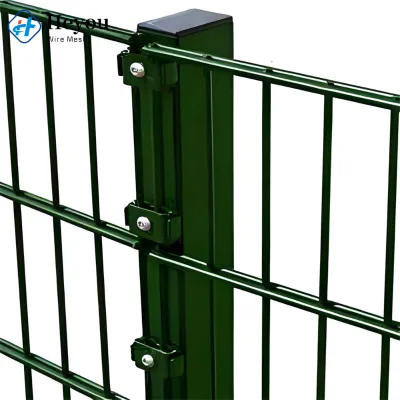
The physical construction of these fences varies significantly based on the intended application. For structural fencing, materials such as aluminum and iron are common. Aluminum options often utilize a front energized wire material described as Magaluma, which offers a balance of conductivity and corrosion resistance. In contrast, welded mesh fences are frequently constructed from iron with wire diameters of 4.5mm or 5.0mm. These mesh panels often come in specific dimensions, such as 50x200mm, and are available in standard heights including 1830mm, 2130mm, 2440mm, and 2740mm.
For solar-specific installations, the integration of mounting hardware is critical. Solar fence systems often utilize brackets designed for specific tilt angles, such as 90 degrees, to optimize panel exposure or structural stability. These systems must withstand environmental loads, with some specifications indicating a maximum wind speed resistance of 45 m/s and a maximum snow load capacity of 1.4 kN/m². The module type integrated into these systems can vary, ranging from thin film solar panels to framed solar panels, each requiring different mounting strategies. The color options for these systems typically include black, grey, and white to blend with various site aesthetics.
Compliance and Certification Verification
Navigating the compliance landscape for solar farm fencing requires rigorous verification of certifications, as these documents validate the safety and quality of the equipment. Buyers should not assume that all listed products possess the same certifications; instead, each item must be evaluated individually against project requirements. Common certifications observed in this sector include CE and ISO standards, which are essential for market access in many regions. Some products may also carry RoHS certification, indicating compliance with restrictions on hazardous substances.
It is crucial to note that certification claims vary by product type. Electric fence controllers often require specific safety certifications to ensure they operate within safe impulse energy limits, typically less than 5 Joules. The work environment for these electronic components is also a compliance factor, with many units rated for temperatures between -40°C and +70°C and relative humidity up to 95% without condensation. For structural fences, certifications like ASTM and ISO are frequently cited, particularly for products originating from major manufacturing hubs in China.
Buyers must verify the origin of these certifications. Products listed with origins in China, specifically from regions like Hebei Province, often undergo rigorous testing to meet international standards. However, the presence of a certification mark on a product listing does not guarantee that every unit in a shipment meets that standard. Procurement teams should request valid test reports and certificates of conformity for each batch. The distinction between general ISO certification and specific ASTM standards for wire and mesh is particularly important, as these standards dictate the mechanical properties and durability of the fence materials.
Cost Drivers and Pricing Variables
The pricing structure for solar farm fence systems is influenced by a complex interplay of material costs, customization levels, and logistical factors. The observed price range in the market is extensive, spanning from $0.09 to $799 USD. This wide variance reflects the difference between individual components, such as ground brackets or wire segments, and complete system assemblies. The cost of the core material is a primary driver; aluminum components generally command a different price point compared to iron-based welded mesh or galvanized steel structures.
Customization is a significant cost variable. Many suppliers offer customization services, which can increase the unit price but reduce long-term installation costs by ensuring a perfect fit for the specific site geometry. The finish of the product also impacts cost. Processes such as powder coating, galvanizing, or a combination of Galvanized plus Powder Coated (Gal+Powder Coated) add layers of protection but increase the manufacturing expense. Buyers should evaluate whether the additional cost of a premium finish is justified by the local environmental conditions, such as high salinity or extreme humidity.
Logistics and trade terms further influence the final landed cost. Many suppliers operate under Free on Board (FOB) terms, specifically FOB Tianjin, which means the buyer is responsible for freight, insurance, and import duties once the goods leave the port. The packaging method, whether on pallets or in cartons, affects shipping efficiency and potential damage during transit. Additionally, the Minimum Order Quantity (MOQ) plays a role in unit economics, with observed ranges from 1 to 1000 units. Larger orders typically secure better per-unit pricing, but the initial capital outlay must be managed carefully. Buyers should calculate the total cost of ownership, including installation labor and long-term maintenance, rather than focusing solely on the initial purchase price.
Typical Applications and Operational Environments
Solar farm fences serve diverse applications ranging from commercial utility-scale projects to industrial and residential installations. The specific application dictates the required specifications. Commercial sites often demand high-security solutions with advanced alarm capabilities, such as open circuit, short circuit, power off, and anti-disassembly alarms. These systems frequently support sound and light alarms, with independent DC12V outputs for defense mechanisms. The power supply mode for these active systems is versatile, supporting AC110-240V, DC12V, or battery configurations like a 12V 7Ah battery, ensuring operation during power outages.
In industrial settings, the focus shifts to durability and resistance to harsh conditions. Welded mesh fences are often preferred for their robustness, with frame finishing processes like powder coating providing long-term protection against corrosion. The standard mesh sizes and wire diameters must be selected to prevent intrusion while allowing for visibility. For solar farms specifically, the fence system must accommodate the solar modules, whether they are thin film or framed panels. The orientation of these modules, either landscape or portrait, influences the design of the mounting brackets and the overall fence geometry.
Residential applications may prioritize aesthetics and ease of installation. Features such as simple and fast installation are highly valued in these contexts. The color options of black, grey, or white allow the fence to blend seamlessly with the surrounding landscape. The condition of the product is another factor; new products are generally preferred to ensure full warranty coverage and optimal performance. Regardless of the application, the work environment must be considered. Systems deployed in areas with extreme temperature fluctuations or high humidity require specific ratings, such as the -40°C to +70°C range observed in high-quality units, to prevent failure.
Supplier Evaluation and Origin Considerations
Evaluating suppliers for solar farm fence systems requires a deep understanding of the manufacturing landscape. The majority of the products in this category originate from China, with specific manufacturing hubs like Hebei Province being prominent. This concentration of supply offers competitive pricing but necessitates careful due diligence regarding quality control and logistics. Buyers should verify the supplier's ability to provide consistent quality across large orders, as the observed product count suggests a robust but varied market.
When assessing suppliers, buyers should look for evidence of their capability to meet specific standards. For instance, a supplier claiming to provide ASTM-compliant welded mesh should be able to provide documentation verifying the wire diameter and mesh size against the standard. Similarly, suppliers offering electric fence systems must demonstrate compliance with safety standards regarding impulse voltage and energy output. The presence of certifications like CE, ISO, and RoHS is a positive indicator, but buyers must ensure these are current and applicable to the specific product model.
The location of the supplier also impacts lead times and shipping costs. Suppliers based in Tianjin or Hebei may offer favorable FOB terms, but buyers must account for the time required for ocean freight and customs clearance. It is advisable to establish clear communication channels to monitor production progress and address any potential issues before shipment. Additionally, buyers should inquire about the supplier's experience with similar projects, particularly in solar farm installations, to gauge their understanding of the unique requirements of this sector.
Quality Control and Long-Term Procurement Strategies
Ensuring the quality of solar farm fence systems is paramount to the long-term success of the project. Quality control measures should be implemented at multiple stages, from raw material selection to final packaging. For structural fences, the surface treatment process is critical. Whether the product is galvanized, powder-coated, or treated with a combination of both, the quality of this finish determines the lifespan of the fence in harsh environments. Buyers should request samples or detailed specifications regarding the thickness of the coating and the adhesion properties.
For electric fence components, quality control involves testing the impulse voltage, frequency, and energy output. The observed impulse frequency of 1s to 1.5s and pulse energy of less than 5J are specific parameters that must be verified through testing. The communication mode, whether TCP Cable or 485 Bus, should be tested for reliability and data integrity. Furthermore, the alarm system's ability to detect open circuits, short circuits, and power failures must be validated to ensure the security system functions as intended.
Long-term procurement strategies should focus on building relationships with suppliers who offer reliable after-sales support. This includes access to replacement parts, technical assistance, and warranty services. Buyers should also consider the scalability of the supply chain, ensuring that the supplier can meet future expansion needs without compromising quality. The packaging method, whether on pallets or in cartons, should be evaluated for its ability to protect the product during transit. Finally, buyers should maintain a clear record of all specifications, certifications, and test results for each batch of products received, facilitating easier audits and quality assurance in the future.
FAQs
What certifications are available for solar farm fence systems?
Common certifications include CE, ISO, ASTM, and RoHS. Buyers must verify that specific products carry these marks individually, as not every unit in a shipment automatically satisfies all listed standards.
Which materials are used for solar farm fence construction?
Fences are typically constructed from aluminum or iron. Aluminum options often feature Magaluma wire, while welded mesh variants use iron with wire diameters of 4.5mm or 5.0mm.
How do electric fence systems handle power supply modes?
Systems support AC110-240V, DC12V, or battery configurations like a 12V 7Ah battery. This versatility ensures operation during power outages while maintaining security alarm functionality.
Can solar fence brackets withstand extreme weather conditions?
Yes, brackets are designed to resist wind speeds up to 45 m/s and snow loads of 1.4 kN/m². These specifications ensure structural stability in harsh environmental conditions.
What is the price range for solar farm fence components?
The observed price range spans from 0.09 to 799 USD. This variance reflects differences between individual components like brackets and complete system assemblies.
Which customization options are available for fence systems?
Customization is available for various product attributes. Buyers can request specific dimensions, finishes, or module orientations to match site geometry and aesthetic requirements.